


Pharmaceutical Grade Peptide Therapy vs. Research Peptides: What You Need to Know Before You Use Anything
Introduction: Not All Peptide Therapy Is the Same
Peptide therapy has become one of the most talked-about categories in modern health, performance, recovery, weight management, hormone optimization, sexual health, and longevity medicine.
People are searching for treatments that may help support energy, recovery, sleep, body composition, libido, skin quality, stress resilience, and overall vitality.
But there is one important distinction that many people miss:
There is a major difference between physician-guided treatments dispensed through legitimate pharmacies and research peptides sold online for laboratory use.
That difference matters.
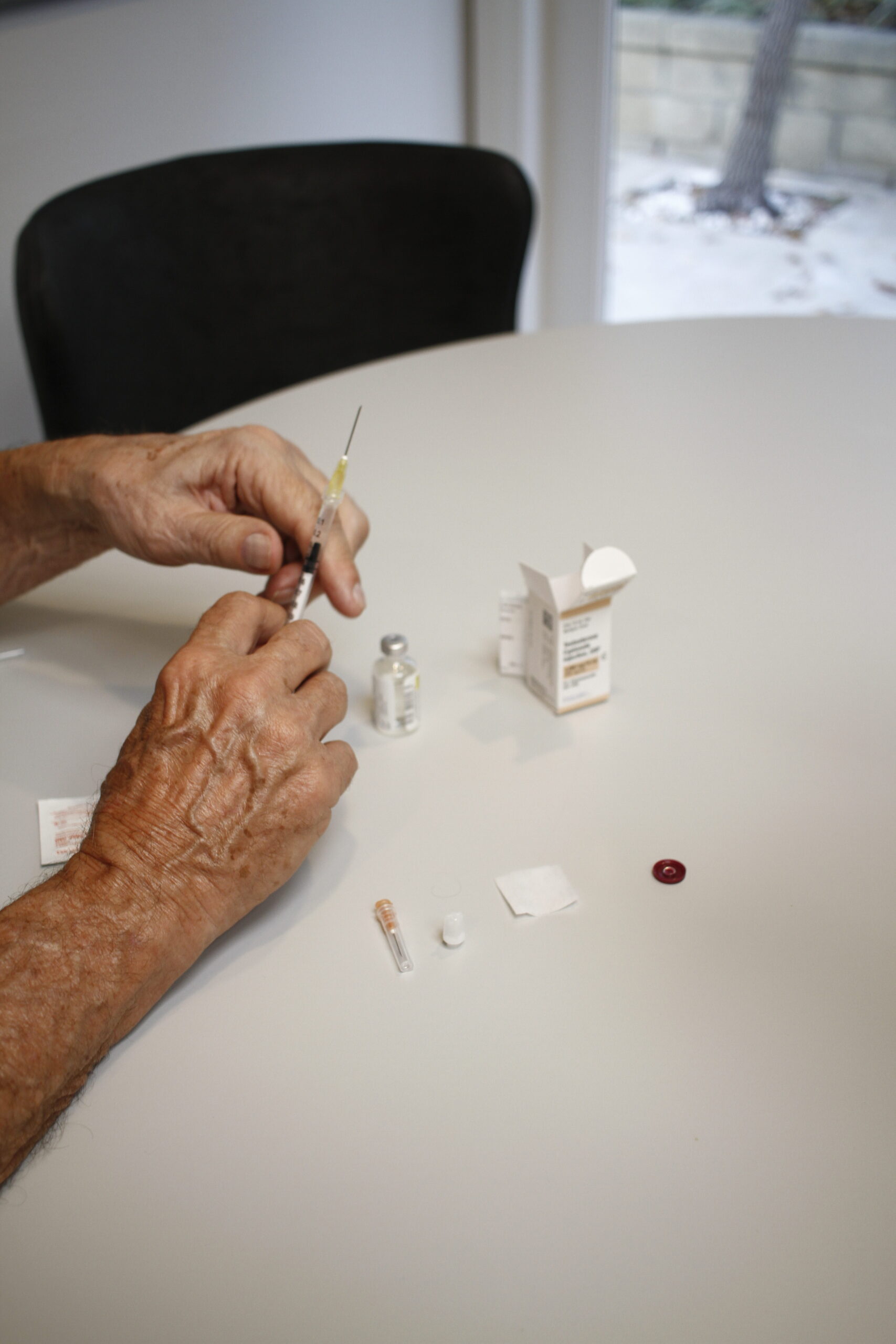
It matters because many peptide-related treatments are biologically active. It matters because dosing must be accurate. It matters because sterility is not optional when a treatment is injected. It matters because what is printed on a vial, what is shown on a certificate, and what is actually going into your body are not always the same thing.
This article explains the difference between pharmaceutical grade peptide therapy and research peptides, why pharmacy oversight matters, why “not for human consumption” disclaimers should be taken seriously, and why the gray market is not the only path for people interested in advanced medical optimization.
The goal is not to scare people away from peptides or advanced therapies.
The goal is to make one thing clear:
If a treatment is intended for human use, it should come through a legitimate medical pathway.
What Are Peptides?
Peptides are short chains of amino acids. In the body, many peptides act like signaling molecules, helping cells, tissues, glands, and organs communicate.
Depending on the peptide or peptide-related therapy, these signals may be involved in processes related to metabolism, appetite, hormone signaling, tissue repair, inflammation, sleep, sexual health, skin quality, immune function, or recovery.
Some peptide-based and incretin-based medications are used in conventional medicine and have FDA-approved uses. Examples include certain GLP-1 receptor agonists, dual GIP/GLP-1 receptor agonists, and prescription peptide medications used for specific medical indications.
Common examples include Liraglutide, Semaglutide, Tirzepatide, Tesamorelin, and PT-141, also known as bremelanotide, depending on the branded product, dose, indication, and patient criteria.
This is important because the conversation around peptides should not be reduced to internet hype or gray-market products. Some therapies are part of mainstream medicine. Some are used only in specific medical contexts. Some are discussed in wellness or optimization settings. Some are not approved for human use. Some are sold online as research materials.
This is where the confusion starts.
Just because a compound is popular online does not mean it is legal, appropriate, sterile, accurately dosed, clinically appropriate, or intended for human use.
Peptides and peptide-related therapies should not be treated casually.
They can affect real biological systems.
That is why the source, medical oversight, dosing, route of administration, and legal status all matter.
What Is Pharmaceutical Grade Peptide Therapy?
Pharmaceutical grade peptide therapy refers to peptide or peptide-related treatments intended for human use when prescribed or guided by a licensed medical provider and dispensed through a legitimate pharmacy or appropriate medical channel.
In the United States, this may involve FDA-approved medications, properly prescribed medications, licensed compounding pharmacies, or FDA-registered outsourcing facilities depending on the treatment, prescription structure, clinical need, and current regulatory requirements.
A responsible medical pathway may include:
- Licensed medical oversight
- Patient-specific evaluation
- Review of health history
- Review of medications and contraindications
- Prescription-based access when required
- Pharmacy dispensing
- Sterile compounding standards when applicable
- Proper labeling and dosing instructions
- Storage and handling requirements
- Quality control procedures
- Follow-up and support
- Accountability to applicable state pharmacy boards and regulatory standards
This does not mean every compounded treatment is FDA-approved. Compounded medications are not the same as FDA-approved manufactured drugs.
But a licensed pharmacy operating within the healthcare system is very different from a website selling products labeled “for research use only.”
That structure matters.
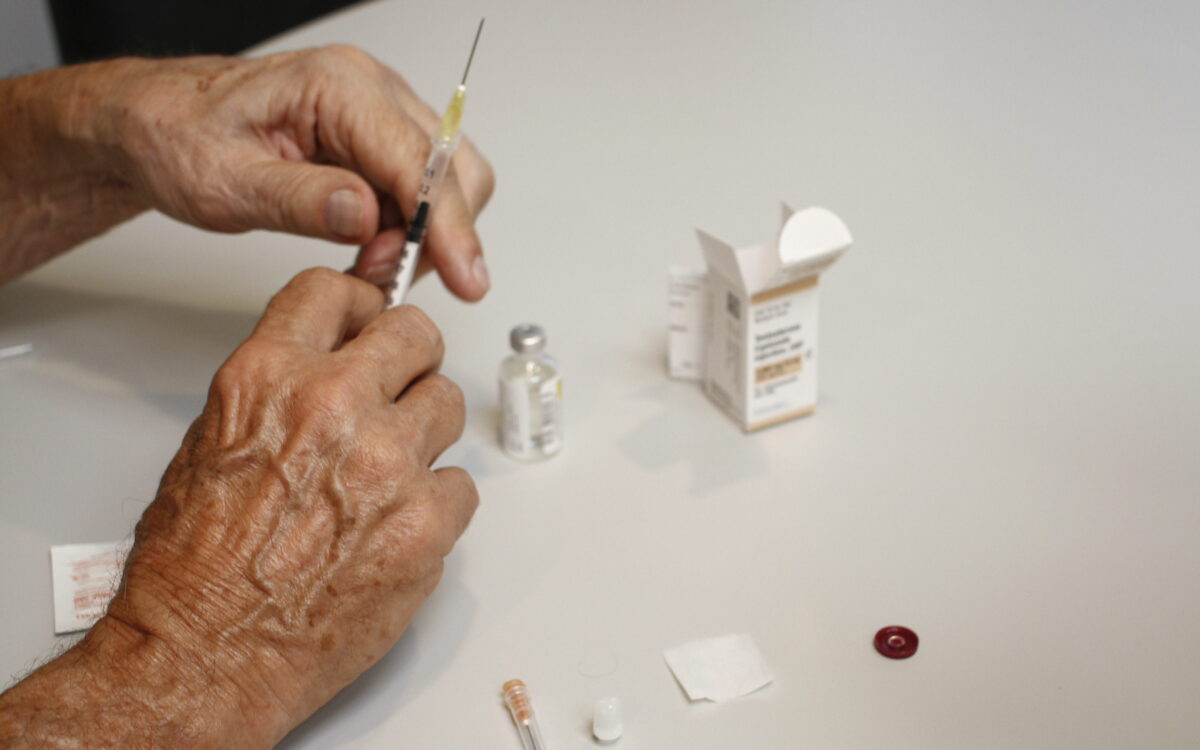
When something is intended for human use, especially if it is injected, the standard should be higher than a vial, a disclaimer, and an online dosing chart.
What Are Research Peptides?
Research peptides are typically sold for laboratory research, not for human use.
They are often marketed with disclaimers such as:
- “For research use only”
- “Not for human consumption”
- “Laboratory use only”
- “Not intended to diagnose, treat, cure, or prevent disease”
In a true research setting, these products may have legitimate uses. Scientists, universities, private laboratories, and product developers may use research materials for experiments that do not involve human consumption or injection.
That is not the issue.
The issue is that many consumers buy research peptides online with the intention of using them on themselves, even though the seller formally states that the product is not intended for human use.
That creates a dangerous gray zone.
The website may avoid giving medical dosing instructions. The label may clearly say not for human consumption. But the customer may still be relying on social media, Reddit threads, bodybuilding forums, influencers, or secondhand protocols to decide what to use, how much to use, how often to use it, and how to inject it.
That is not medical care.
That is self-experimentation.
The Consent Problem: “Not for Human Consumption” Means Something
One of the biggest red flags with research peptides is the disclaimer itself.
When a company sells a product labeled “not for human consumption,” the company is telling you that the product is not being sold as a medication, not being dispensed by a pharmacy for your personal medical use, and not being provided with formal medical dosing instructions.
That creates several problems.
First, the consumer may be accepting legal and medical risk by using the product in a way the label specifically says not to use it.
Second, the disclaimer can create a gap in accountability. A licensed pharmacy dispensing a prescription medication has responsibilities tied to pharmacy laws, sterile compounding standards, labeling, storage, documentation, and patient safety. A research peptide seller may not have the same patient-care obligations if the product is not being sold for human use.
Third, the disclaimer often shifts the burden onto the end user. Instead of receiving medical instructions from a qualified provider, the consumer may be left to interpret internet protocols, dosing calculators, forum comments, and anecdotal experiences.
That is not the right foundation for advanced medical optimization.
Why Pharmacy Oversight Matters
Licensed pharmacies must operate under a regulatory framework.
Sterile compounding pharmacies must follow standards designed to reduce patient risk. These standards may include requirements around:
- Facility design
- Cleanroom procedures
- Personnel training
- Sterile preparation protocols
- Environmental monitoring
- Documentation
- Beyond-use dating
- Ingredient sourcing
- Labeling
- Quality assurance
- Finished preparation handling
- Inspection readiness
No system is perfect.
But pharmacy oversight creates accountability.
A responsible pharmacy environment is not the same as an online seller shipping research materials without a medical evaluation, without patient-specific instructions, and without the same patient-care framework.
That difference is one of the biggest reasons to choose a physician-guided medical pathway whenever a therapy is intended for human use.
The Problem With Third-Party Testing Alone
Many research peptide companies advertise third-party testing.
On the surface, that sounds reassuring.
A certificate of analysis may show identity testing. It may show a purity percentage. It may list a date. It may claim that the sample passed testing.
But consumers need to understand the limitations.
First, not all testing is equal. The quality of a test depends on the lab, the testing method, the sample submitted, chain of custody, and whether the sample actually represents the product being shipped.
Second, a purity test does not answer every safety question. A product may test well for a target compound but still raise concerns about sterility, endotoxins, residual solvents, heavy metals, incorrect concentration, degradation, or improper handling.
Third, the company selling the product usually chooses the lab, submits the sample, and controls what gets shown publicly. That does not automatically mean the test is fake. But it does mean the consumer is relying heavily on a seller-controlled process.
Fourth, a clean test result does not replace pharmacy oversight, medical evaluation, prescription labeling, sterile compounding standards, dosing instructions, or patient monitoring.
Third-party testing can provide useful information.
But it is not the same thing as a medical system.
Purity Is Not the Only Safety Issue
Many people focus on purity because it is easy to understand.
A vial that claims a high purity percentage can sound impressive.
But purity is only one part of the safety picture.
For injectable therapies, you also have to think about:
- Was the product prepared in an appropriate environment?
- Was the correct active ingredient used?
- Was the concentration accurate?
- Was the vial handled and stored properly?
- Was the product evaluated for sterility where appropriate?
- Was the product evaluated for endotoxin risk where appropriate?
- Were the raw materials sourced responsibly?
- Was the product labeled with clear instructions?
- Was the patient evaluated before use?
- Was the dose appropriate for the patient?
- Was the patient told how to use the treatment correctly?
- Was there a clinician available if side effects occurred?
A product can look good on paper and still be inappropriate or risky for a specific person.
That is why peptide therapy should not be reduced to a purity percentage alone.
The better question is:
Was this product prescribed, dispensed, labeled, and used within a responsible medical system?
Dosing Errors Are One of the Biggest Risks
One of the biggest problems with research peptides is that they often put too much responsibility on the end user.
That may sound empowering at first.
But when it comes to injectable compounds, it can be dangerous.
Many research products are sold as powders that require the user to figure out:
- How much diluent to add
- What concentration that creates
- How many units to draw into the syringe
- How often to inject
- Where to inject
- How to store the vial
- How long the vial remains usable
- Whether to increase or decrease the dose
- Whether to combine it with other treatments
If a person is relying on secondhand information, the risk of error increases dramatically.
Some people inject too much because they misunderstand concentration. Others inject too little and never see a meaningful response. Some confuse milligrams, micrograms, milliliters, and insulin syringe units. Others follow aggressive online protocols that were never designed for their body, health history, medications, goals, or lab markers.
Incorrect dosing may increase the risk of side effects. Incorrect reconstitution may create confusion from the very first injection. Incorrect stacking may make it difficult to know what is helping and what is causing problems.
This is one of the biggest advantages of working with a medical provider and pharmacy.
The patient receives a plan, a dose, instructions, and a point of contact.
That does not eliminate all risk.
But it reduces unnecessary guesswork.
The Gray Market Is Not the Only Option
Many people end up buying research peptides because they assume there are only two options:
- Buy from the gray market
- Do not use peptides or advanced therapies at all
That is not true.
Certain peptide-based and peptide-adjacent treatments may be available through legitimate medical providers and U.S.-based pharmacies when legally permitted, clinically appropriate, and prescribed or guided by a licensed provider.
Many people simply do not realize this option exists.
They hear peptide content online, see people talk about “research sources,” and assume that gray-market websites are the normal way to access these therapies.
In reality, if a treatment is clinically appropriate and legally available through a licensed pharmacy or appropriate medical pathway, the better path is to work with a qualified medical provider who can evaluate your goals, review your health history, and guide treatment responsibly.
That means the product comes with a higher standard of accountability, and the patient is not left alone to interpret a vial, a forum post, and a dosing calculator.
Physician-Guided Treatments MANKIND May Highlight
MANKIND’s focus is not on selling research chemicals.
MANKIND is built around physician-guided treatment categories, legitimate pharmacy pathways, and therapies intended for human use when legally permitted and medically appropriate.
Not every treatment listed below is a peptide, and not every treatment is FDA-approved for every use. Some are FDA-approved medications for specific indications. Some are peptide-adjacent therapies. Some may be compounded or dispensed through pharmacy partners when legally permitted and medically appropriate.
The point is not that every treatment is the same.
The point is that each treatment should be approached through a responsible medical pathway.
Examples of treatments or treatment categories that may fit within a responsible medical optimization model include:
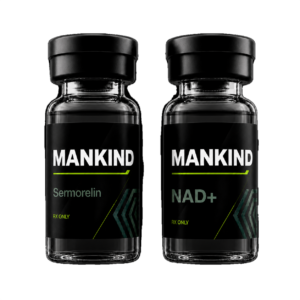
NAD+
NAD+ is not a peptide. It is a coenzyme involved in cellular energy metabolism and mitochondrial function. It is often discussed alongside peptide therapy because it fits into the broader category of longevity, cellular health, energy, and recovery support.
NAD+ may be used in certain medical wellness and optimization settings under provider guidance. It should not be positioned as a guaranteed anti-aging cure or a replacement for sleep, nutrition, movement, or medical evaluation.
Sermorelin
Sermorelin is a growth hormone-releasing hormone analog commonly discussed in relation to growth hormone signaling, recovery, sleep, body composition, and hormone optimization.
Sermorelin requires medical evaluation and should be used only when appropriate for the patient’s goals, health history, and provider-guided plan.
VIP
VIP, or vasoactive intestinal peptide, is a peptide naturally found in the body and involved in several physiological pathways. In clinical and wellness discussions, it may be considered in specialized settings under medical supervision.
Because VIP affects real biological systems, it should not be used casually or without provider oversight. Patient selection, dosing, route, contraindications, and monitoring matter.
Tesamorelin
Tesamorelin is a prescription peptide medication with a specific FDA-approved indication. It is not a general weight-loss drug or casual anti-aging therapy.
Because tesamorelin affects the growth hormone axis, appropriate screening and monitoring are important. A provider may consider factors such as medical history, glucose metabolism, IGF-1, contraindications, and whether the therapy is appropriate for the patient’s situation.
Liraglutide
Liraglutide is a GLP-1 receptor agonist used in FDA-approved prescription medications for specific metabolic indications, including type 2 diabetes and chronic weight management depending on the branded product, dose, and patient criteria.
Liraglutide is not a casual wellness product. It should be used under medical supervision, with attention to contraindications, side effects, dosing, and whether the patient is an appropriate candidate.
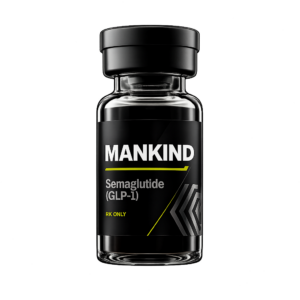
Semaglutide
Semaglutide is a GLP-1 receptor agonist used in FDA-approved prescription medications for type 2 diabetes, chronic weight management, and other approved indications depending on the branded product, dose, and clinical context.
Semaglutide works through GLP-1 receptor signaling involved in appetite regulation, satiety, insulin response, and metabolic health. It should be used only when medically appropriate and prescribed or guided by a licensed provider.
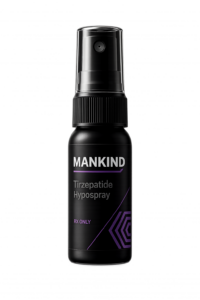
Tirzepatide
Tirzepatide is a dual GIP and GLP-1 receptor agonist used in FDA-approved prescription medications for type 2 diabetes and chronic weight management depending on the branded product and patient criteria.
Because tirzepatide affects appetite, satiety, glucose regulation, and metabolic signaling, it should be used through a medical pathway with appropriate screening, dosing, monitoring, and follow-up.
GHK-Cu Topical
GHK-Cu is a copper peptide commonly discussed in relation to skin quality, hair support, complexion, and cosmetic aging.
A topical GHK-Cu product is different from an injectable therapy. Route of administration matters. Topical products may fit into skin and complexion programs, but they should still be used as directed and with realistic expectations.
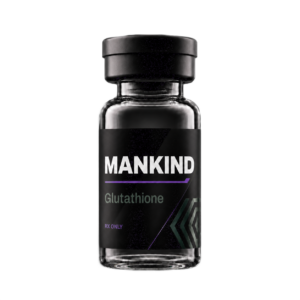
Glutathione
Glutathione is not a peptide in the same way many people use the term online, but it is a naturally occurring antioxidant made from amino acids and is commonly discussed in medical wellness, oxidative stress, liver support, and cellular health conversations.
Glutathione should be used through appropriate medical guidance, especially when administered by injection or through other clinical routes.
PT-141
PT-141, also known as bremelanotide, is a melanocortin receptor agonist used in sexual health medicine. It is commonly discussed in relation to sexual desire pathways.
PT-141 is not a general performance enhancer and should not be used without medical screening. It may not be appropriate for every patient, and side effects, contraindications, blood pressure considerations, and patient-specific factors must be reviewed.
Why These Treatments Still Require Medical Oversight
Even when a treatment is available through a legitimate pharmacy or recognized medical pathway, it should not be used casually.
Advanced therapies may affect real biological systems.
That is why medical oversight matters.
A provider can help determine:
- Whether the treatment is appropriate
- Whether the patient has contraindications
- Whether medications or health conditions create concerns
- Whether labs are needed
- What dose and route make sense
- How long the treatment should be used
- What side effects to watch for
- When to adjust, pause, or stop
- Whether a different therapy would be more appropriate
This is the difference between optimization and self-experimentation.
Why Pharmaceutical Grade Treatment Pathways Are the Better Choice for Human Use
When someone is considering a peptide or advanced therapy intended for human use, a legitimate medical pathway offers major advantages.
1. Medical Oversight
A licensed provider can determine whether a therapy makes sense based on your goals, health history, medications, labs, and contraindications.
This is especially important for people dealing with hormone issues, metabolic concerns, cardiovascular risk, fertility goals, immune concerns, chronic medical conditions, or complex medication regimens.
2. Proper Dosing
Dosing should not be copied from random internet protocols. The right dose depends on the compound, concentration, treatment goal, route of administration, frequency, and patient-specific factors.
3. Pharmacy Accountability
Licensed pharmacies operate under applicable rules and quality standards. They are accountable in a way that anonymous or loosely regulated online sellers often are not.
4. Sterile Preparation Standards
Injectable products must be handled carefully. Sterile preparation standards exist to reduce the risk of contamination and patient harm.
5. Clear Labeling and Instructions
A pharmacy-dispensed treatment should come with clear labeling, instructions, storage guidance, and appropriate use information. That reduces confusion.
6. Continuity of Care
When you work through a medical provider, you have someone to contact if you have questions, side effects, dosing uncertainty, or lack of response.
7. Less Guesswork
Instead of piecing together information from influencers, online forums, and anonymous protocols, you get a more structured plan.
Research Peptides Are Not Always Fake, But They Are Not the Same
It is important to be fair.
Not every research product is fake. Some may be accurately synthesized. Some may test well. Some may have legitimate use in laboratory settings.
The issue is not that every research product is automatically fraudulent.
The issue is that research grade products are not intended, labeled, prescribed, or dispensed for human use.
That distinction matters.
A product can be useful for laboratory research and still be inappropriate for self-injection. A certificate of analysis can be real and still not replace medical oversight. A product can appear high-purity and still be unsafe if it is reconstituted incorrectly, dosed incorrectly, contaminated, degraded, mislabeled, or used by the wrong person.
So the more accurate statement is this:
Research peptides may have a place in research. Physician-guided, pharmacy-dispensed therapy is the better path when the intended use is human treatment under medical supervision.
The Risk of Self-Experimentation
The rise of peptide content online has created a culture of self-experimentation.
People share protocols, stacks, dosing schedules, before-and-after photos, and personal stories.
Some of that information may be well-intentioned.
But it is not a substitute for medical care.
Self-experimentation creates risks such as:
- Choosing the wrong treatment
- Using the wrong dose
- Reconstituting incorrectly
- Injecting too frequently
- Combining too many products
- Ignoring contraindications
- Missing side effects
- Delaying more appropriate care
- Using contaminated or mislabeled products
- Failing to monitor labs or health markers
Advanced therapies can be powerful.
That is exactly why they should be handled responsibly.
Pharmaceutical Grade Does Not Mean Casual
Choosing a legitimate pharmacy pathway does not mean a person should use advanced therapies casually or without thought.
It means the person is choosing a higher-quality system.
Responsible therapy may include:
- A medical consultation
- Review of goals and health history
- Review of medications and contraindications
- Lab testing when appropriate
- Clear treatment expectations
- Proper dosing instructions
- Education on administration when applicable
- Education on storage and handling
- Monitoring and follow-up
- Adjustments based on response
The best program is not just about the vial.
It is about the system around the vial.
What to Look for in a Peptide Therapy Provider
If you are considering peptide therapy or advanced medical optimization, look for a provider that prioritizes safety, education, and transparency.
A credible program should include:
- Licensed medical providers
- Pharmacy-dispensed products
- Clear dosing instructions
- Access to support
- Realistic expectations
- Medical screening
- Proper storage and handling guidance
- Follow-up care
- Transparent discussion of benefits and risks
Be cautious with any company or influencer that makes therapies sound risk-free, promises dramatic results, encourages aggressive stacking, or directs you toward products labeled “not for human consumption.”
How MANKIND Approaches Peptide Therapy and Advanced Optimization
MANKIND was built to offer a more responsible path for people who want access to advanced therapies without relying on research chemical websites, gray-market sourcing, or unsupported online protocols.
Our approach is built around:
- Physician-guided care
- Medical intake and screening
- Goal-based treatment categories
- Pharmacy-dispensed treatments when legally permitted and medically appropriate
- Products intended for human use
- Clear instructions
- Responsible expectations
- Quality-focused sourcing
- Education and support
The goal is not to sell random products.
The goal is to help patients choose the right category, understand their options, and move forward with a plan built around quality, safety, and purpose.
The Bottom Line
Peptides and peptide-related treatments are not just another supplement category.
Many are biologically active compounds that can influence important systems in the body.
That is why source, quality, sterility, dosing, and medical oversight matter.
Research peptides may have legitimate use in laboratory settings, but they are not the same as physician-guided therapies dispensed through licensed pharmacies or appropriate medical channels.
When the intended use is human treatment, the more responsible path is to work through a legitimate medical system.
The gray market is not the only option.
Certain peptide-based and peptide-adjacent therapies may be available through legitimate medical providers and U.S.-based pharmacies when clinically appropriate and legally permitted. That path offers a more accountable system, with pharmacy oversight, clearer instructions, medical guidance, and a higher standard of patient care.
At MANKIND, we believe optimization should be built on strength, discipline, education, and responsibility.
If you are going to put something into your body, especially by injection, you deserve more than a disclaimer, a forum protocol, and a screenshot of a test result.
You deserve medical oversight.
You deserve pharmacy quality.
You deserve a plan built for you.
Frequently Asked Questions
Are research peptides safe to inject?
Research peptides are typically labeled for laboratory use only and not for human consumption. If a product is not intended, prescribed, or dispensed for human use, injecting it may carry risks including contamination, dosing errors, mislabeling, lack of medical oversight, and limited accountability.
Are all research peptides fake?
No. Some research peptides may be legitimate for laboratory use. The issue is not that every research product is fake. The issue is that research grade products are not intended for human injection and do not provide the same medical, pharmacy, and regulatory safeguards as prescription-based or pharmacy-dispensed options.
What makes pharmaceutical grade peptide therapy different?
Pharmaceutical grade peptide therapy is guided by licensed medical providers and dispensed through licensed pharmacies or appropriate medical channels when legally permitted and medically appropriate. This pathway may include medical screening, dosing instructions, pharmacy oversight, labeling, documentation, and follow-up support.
Are Liraglutide, Semaglutide, and Tirzepatide peptides?
Liraglutide and Semaglutide are GLP-1 receptor agonists, and Tirzepatide is a dual GIP and GLP-1 receptor agonist. These medications are peptide-based or incretin-based therapies used in FDA-approved prescription medications for specific indications depending on the branded product, dose, and patient criteria.
Are GLP-1 medications the same as research peptides?
No. FDA-approved GLP-1 and GIP/GLP-1 medications, including certain branded forms of Liraglutide, Semaglutide, and Tirzepatide, are prescription medications used in mainstream medical care for specific indications. Research peptides sold online are typically labeled for laboratory use only and are not the same as prescribed, pharmacy-dispensed medications intended for human use.
Are Liraglutide, Semaglutide, and Tirzepatide approved for weight loss?
Certain branded formulations of these medications are FDA-approved for chronic weight management in patients who meet specific criteria. Other branded formulations may be approved for type 2 diabetes or other indications. The indication depends on the medication, brand, dose, and patient profile, which is why medical oversight matters.
Why do research peptide companies say “not for human consumption”?
That disclaimer means the product is not being sold as a medication for human use. If a person buys and uses it anyway, they may be taking on significant risk because the product was not prescribed, labeled, or dispensed as a human medication.
Is third-party testing enough?
Third-party testing can provide useful information, but it does not replace pharmacy oversight, sterile preparation standards, medical evaluation, proper labeling, dosing instructions, or patient monitoring. A certificate of analysis is only one piece of the safety picture.
Can I get peptide therapy from a real pharmacy?
In some cases, yes. It depends on the therapy, your medical needs, your provider’s judgment, the pharmacy, and current legal and regulatory requirements. Many people do not realize that certain peptide-based or peptide-adjacent therapies may be available through legitimate U.S. pharmacies when legally permitted and clinically appropriate.
Is GHK-Cu Topical the same as an injectable peptide?
No. A topical GHK-Cu product is different from an injectable therapy. Route of administration matters. Topical products may be used in skin and complexion programs, while injectable use requires a separate medical and regulatory framework.
Is Tesamorelin FDA-approved?
Tesamorelin is available as an FDA-approved prescription medication for a specific use: reducing excess abdominal fat in adults with HIV-associated lipodystrophy. It should not be treated as a general weight-loss, anti-aging, or performance-enhancement therapy.
Is NAD+ a peptide?
No. NAD+ is not a peptide. It is a coenzyme involved in cellular energy metabolism. It is often discussed alongside peptide therapy because it fits into broader longevity, energy, and cellular health programs.
What is PT-141?
PT-141, also known as bremelanotide, is a melanocortin receptor agonist used in sexual health medicine. It should only be used when medically appropriate and after review of health history, contraindications, and potential side effects.
Why is dosing such a big concern with research peptides?
Many research products require the user to calculate reconstitution and dosing on their own. If someone adds the wrong amount of fluid, misunderstands syringe units, or follows an inappropriate online protocol, they may use too much or too little. Medical guidance reduces unnecessary dosing confusion.
What is the safest way to explore peptide therapy?
The safest path is to work with a licensed medical provider who can evaluate your goals, review your health history, determine whether therapy is appropriate, and prescribe or guide treatment through a legitimate pharmacy or medical pathway when available.