
Wolverine Recovery Capsules: BPC-157 + TB-500
Wolverine Stack Capsules combine BPC-157 and TB-500, two recovery-focused peptides commonly used in strength, performance, and injury-support protocols. This stack is built for patients who want to support tissue repair signaling, soft-tissue resilience, inflammation balance, and a more durable recovery baseline.
This is for patients dealing with training wear-and-tear, nagging soreness, overuse, stiffness, or recovery that is not keeping pace with their lifestyle. The capsule format offers a convenient, needle-free option for patients who want recovery support without injections.
Starting at: $185.00
FIND YOUR PERSONALIZED PROTOCOL
Free Shipping
Discreet Packaging
Cancel Anytime
- May support tissue repair signaling for muscles, tendons, ligaments, and soft tissue
- May support recovery from training wear-and-tear and physically demanding routines
- May help modulate inflammatory signaling to support a healthier recovery environment
- May support mobility and soft-tissue resilience as part of a structured recovery plan
- May support consistency by helping the body feel less fragile and more ready
Most patients follow a physician-guided protocol for 6–10 weeks before evaluating response. Some patients continue for 8–12 weeks for more stubborn wear-and-tear, recurring flare-ups, or long-standing recovery goals. Results are strongest when paired with smart loading, mobility work, rehab or strength training, protein, hydration, and sleep.
- Take capsules exactly as prescribed by your provider. Use consistent timing each day, and do not increase dose or frequency unless directed.
- Your provider will determine your dose, schedule, and protocol length based on your goals, history, and response.
- Weeks 1–2: Early recovery support. Some patients notice less stiffness, better movement tolerance, or less post-training soreness.
- Weeks 3–6: Recovery momentum builds. Training, rehab, or daily activity may feel more manageable and less fragile.
- Weeks 6–12+: Durability improves. With strength work, mobility, protein, and sleep in place, many patients feel more confident pushing training or activity without as many breakdown weeks.
What's Inside &
Why It Works
BPC-157

BPC-157 is a synthetic peptide derived from a protective protein sequence originally identified in gastric tissue. It is commonly discussed in recovery protocols because of its relationship to tissue-repair biology, inflammatory signaling, connective tissue support, and gut resilience. In preclinical research, BPC-157 has been studied for potential roles in tendon, ligament, muscle, nerve, and gastrointestinal tissue support.
TB-500

TB-500 is a synthetic peptide fragment related to thymosin beta-4, a naturally occurring peptide involved in actin regulation, cell migration, and tissue remodeling biology. It is commonly used in recovery-focused protocols because of its relationship to soft-tissue resilience, mobility, and broader repair signaling.
Get Started
In 3 Steps

Step 1
Browse by goal or category, then choose the product you want to try.

Step 2
Complete Your Medical Form & Checkout
Answer a quick health questionnaire and place your order.

Step 3
Physician Review & Delivery
A licensed provider reviews your form, confirms the selection, builds your dosing plan, and your package ships to your door with clear instructions.
frequently
asked questions
Yes. Wolverine Stack Capsules can be used by both men and women for recovery, mobility, strength, and physical resilience support.
BPC-157 is commonly used for more targeted repair support, while TB-500 is used for broader tissue remodeling and mobility support. Together, they create a more complete recovery protocol than either ingredient alone.
No. Many patients use Wolverine Stack for injury-support protocols, but it can also be used for training wear-and-tear, recurring stiffness, overuse irritation, or general recovery support.
Some patients notice changes in stiffness, soreness, or movement tolerance within the first few weeks. More meaningful recovery support typically builds over 6–12 weeks with consistent use and proper recovery habits.
Response can vary by patient and formulation. Injections are often used when a more direct systemic delivery route is preferred, while capsules may be a convenient needle-free option for patients who want daily recovery support. Your provider will help determine which format is best for your goals.
Yes, when appropriate. This stack is often used by patients who lift, run, cycle, train combat sports, play team sports, or work physically demanding jobs. It is not a substitute for smart programming, but it may support the recovery environment that helps you stay consistent.
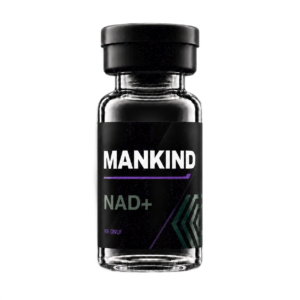
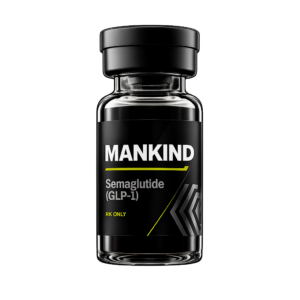
Yes. Many patients stack Wolverine Stack with GHK-Cu, NAD+, Sermorelin, CJC-1295 / Ipamorelin, Tesamorelin, or GLP-1 protocols depending on the goal. Your provider will confirm what fits your recovery, performance, and body composition plan.
BPC-157 is commonly discussed for gut resilience because it was derived from a protective gastric protein sequence and has been studied in preclinical gastrointestinal models. That said, this product is not a replacement for medical evaluation or treatment for digestive disease. Your provider can help determine whether it fits your plan.
Side effects vary. Some patients may experience headache, GI discomfort, fatigue, sleep changes, or sensitivity as dosing is dialed in. If symptoms are significant or persistent, stop and contact your provider.
Not for pregnancy or breastfeeding. It may not be appropriate for patients with active cancer, a history of certain cancers, uncontrolled medical conditions, or patients using performance-regulated protocols in tested sports. Your provider will review your history and confirm eligibility.